
Many retail workers at the Americana at Brand mistakenly believe that harassment protections don’t fully apply in mall environments or that reporting issues will only make things worse. This misconception leaves employees vulnerable and uncertain about their legal rights. California law provides robust workplace harassment protections under the Fair Employment and Housing Act, covering retail employees at locations like the Americana at Brand. This guide explains your legal protections, what counts as harassment, employer responsibilities, and the practical steps you can take to address workplace harassment effectively and safely.
This article provides general information about workplace harassment protections under California law. It does not constitute legal advice, and the outcome of any legal matter depends on the specific facts and circumstances of each case. For advice about your specific situation, consult with a qualified employment attorney.
Table of Contents
- Understanding California’s Harassment Protections For Americana At Brand Retail Workers
- Recognizing Workplace Harassment: Forms, Examples, And Legal Definitions
- Employer Responsibilities And Employee Protections Under FEHA At Americana At Brand
- Navigating Complex Situations: Off-Site Harassment And Employer Response Risks
- How California United Law Group Can Support Your Harassment Concerns
- Are Retail Workers At The Americana At Brand Protected From Workplace Harassment? – FAQ
Key takeaways
| Point | Details |
|---|---|
| FEHA protects retail workers | California’s Fair Employment and Housing Act covers employees at all Americana at Brand retail locations with five or more workers. |
| Harassment takes multiple forms | Workplace harassment includes hostile work environment and quid pro quo harassment based on protected characteristics like sex, race, or age. |
| Employers must act | Retail employers must prevent harassment through policies and training, investigate complaints promptly, or face legal liability. |
| Retaliation is illegal | California law prohibits employers from retaliating against employees who report harassment or participate in investigations. |
| Legal options exist | Employees can file complaints with state agencies or pursue lawsuits to recover damages for harassment violations. |
Understanding California’s harassment protections for Americana at Brand retail workers
California’s Fair Employment and Housing Act serves as the primary legal shield protecting retail workers from workplace harassment. FEHA applies to all employers with five or more employees, which includes counting all employees regardless of location within California, which means every retail store, restaurant, and business at the Americana at Brand falls under these protections. This coverage extends to full-time employees, part-time workers, and even some independent contractors depending on the working relationship.
FEHA protects workers based on specific characteristics that employers cannot use as grounds for harassment. These protected characteristics include:
- Sex, gender identity, and gender expression
- Race, color, and national origin
- Religion and religious creed
- Age (with protections against discrimination for those 40 and older under Gov. Code § 12941)
- Disability (physical and mental)
- Sexual orientation
- Marital status
- Pregnancy and related medical conditions
- Military and veteran status
- Genetic information
Harassment under FEHA encompasses verbal conduct like slurs and offensive jokes, physical behaviors including unwanted touching or blocking someone’s path, visual harassment through offensive images or gestures, and psychological intimidation that creates fear or discomfort. Understanding what counts as workplace harassment under California law helps you recognize when your rights are violated.
California law offers significantly broader protections than federal Title VII regulations. FEHA covers smaller employers, includes more protected categories, and provides stronger remedies for victims. The state legislature designed these protections specifically to address the power imbalances common in retail environments, where workers often face harassment from supervisors, coworkers, and even customers.
Important Note: Document every harassment incident immediately with dates, times, witnesses, and specific details. This documentation becomes crucial evidence if you need to file a complaint or lawsuit later.
Recognizing workplace harassment: forms, examples, and legal definitions
Workplace harassment falls into two primary legal categories that retail workers should understand. Quid pro quo harassment occurs when employment benefits depend on accepting unwanted conduct, such as a manager promising better shifts in exchange for dates or threatening termination for refusing advances. Hostile work environment harassment involves severe or pervasive conduct that creates an abusive workplace atmosphere, making it difficult or impossible to perform your job effectively.
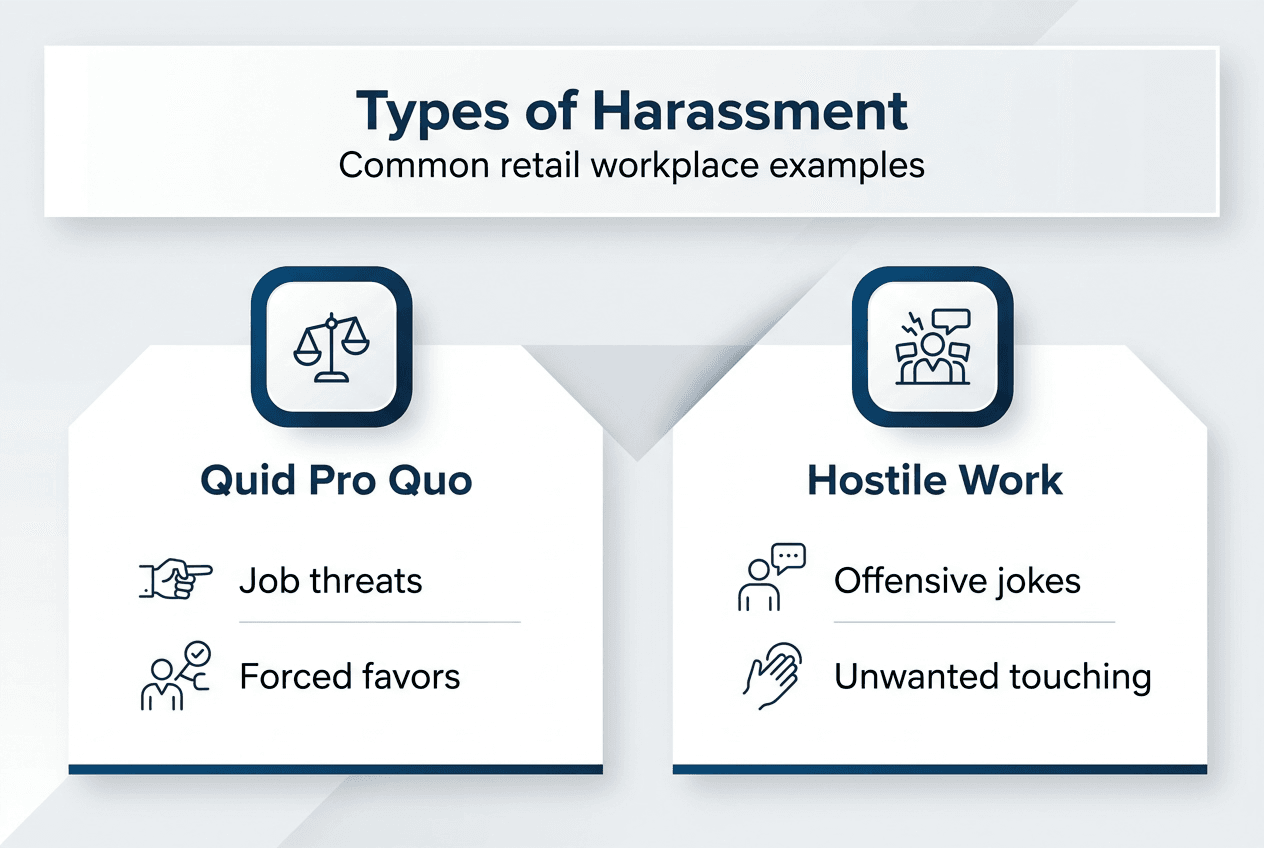
The severity and pervasiveness standards matter significantly in harassment cases. A single extremely severe incident, like physical assault or explicit threats, can establish harassment. Alternatively, repeated less severe behaviors that accumulate over time can create a hostile environment. Courts evaluate the totality of circumstances, considering frequency, severity, physical threat level, and interference with work performance.
The California Supreme Court has clarified that harassment must be ‘sufficiently severe or pervasive to alter the conditions of employment and create an abusive working environment.’ The determination requires examining the frequency of discriminatory conduct, its severity, whether it is physically threatening or humiliating, and whether it unreasonably interferes with an employee’s work performance.
Retail workers at the Americana at Brand face various harassment forms that extend beyond sexual misconduct. Harassment includes offensive jokes, intimidation, and creating abusive environments, not just sexual advances. Common examples in retail settings include:
- Racial slurs or ethnic jokes directed at employees or made in their presence
- Religious mockery or pressure to participate in religious activities
- Age-based insults calling workers “too old” or “past their prime”
- Disability harassment through mimicking conditions or refusing reasonable accommodations
- Gender-based comments about appearance, clothing, or capabilities
- Sexual orientation harassment including derogatory terms or exclusion
| Harassment Type | Legal Standard | Retail Example |
|---|---|---|
| Quid Pro Quo | Single incident sufficient | Manager offers promotion for personal favors |
| Hostile Environment | Severe or pervasive pattern | Repeated racial jokes creating intimidating atmosphere |
| Physical Harassment | Single serious incident or pattern | Unwanted touching, blocking exits, physical intimidation |
| Visual Harassment | Severe or pervasive display | Offensive images in break rooms, inappropriate texts |
Isolated minor incidents typically don’t meet the legal threshold for harassment. A single off-color joke or awkward comment, while inappropriate, usually doesn’t create legal liability. However, patterns of behavior, escalating conduct, or severe one-time incidents clearly violate the law. The key question courts ask is whether a reasonable person in your position would find the workplace hostile or abusive.
Important Note: Don’t dismiss harassment just because it seems minor or infrequent at first. Patterns often emerge over time, and early documentation helps establish the pervasive nature of the conduct if it continues.
Employer responsibilities and employee protections under FEHA at Americana at Brand
Retail employers at the Americana at Brand carry significant legal obligations to prevent and address workplace harassment. California law requires employers to take reasonable steps to prevent harassment through comprehensive policies, regular training, and effective complaint procedures. These aren’t optional best practices but mandatory legal requirements that create liability when ignored.
Employers must implement and communicate clear anti-harassment policies that:
- Define prohibited harassment with specific examples relevant to retail work
- Establish multiple reporting channels so employees aren’t forced to report to their harasser
- Promise prompt, thorough, and impartial investigations of all complaints
- Guarantee confidentiality to the extent possible during investigations
- Specify consequences for harassment, including termination for serious violations
- Prohibit retaliation against employees who report harassment or participate in investigations
When you report harassment, your employer must investigate promptly and thoroughly. This means interviewing you, the alleged harasser, and relevant witnesses, reviewing any physical or electronic evidence, and reaching a conclusion based on the facts. Employers who ignore complaints, conduct sham investigations, or delay unreasonably can face enhanced liability. For non-supervisor harassment, employers must take ‘immediate and appropriate corrective action’ when they become or reasonably should become aware of the conduct to avoid liability for allowing harassment to continue.
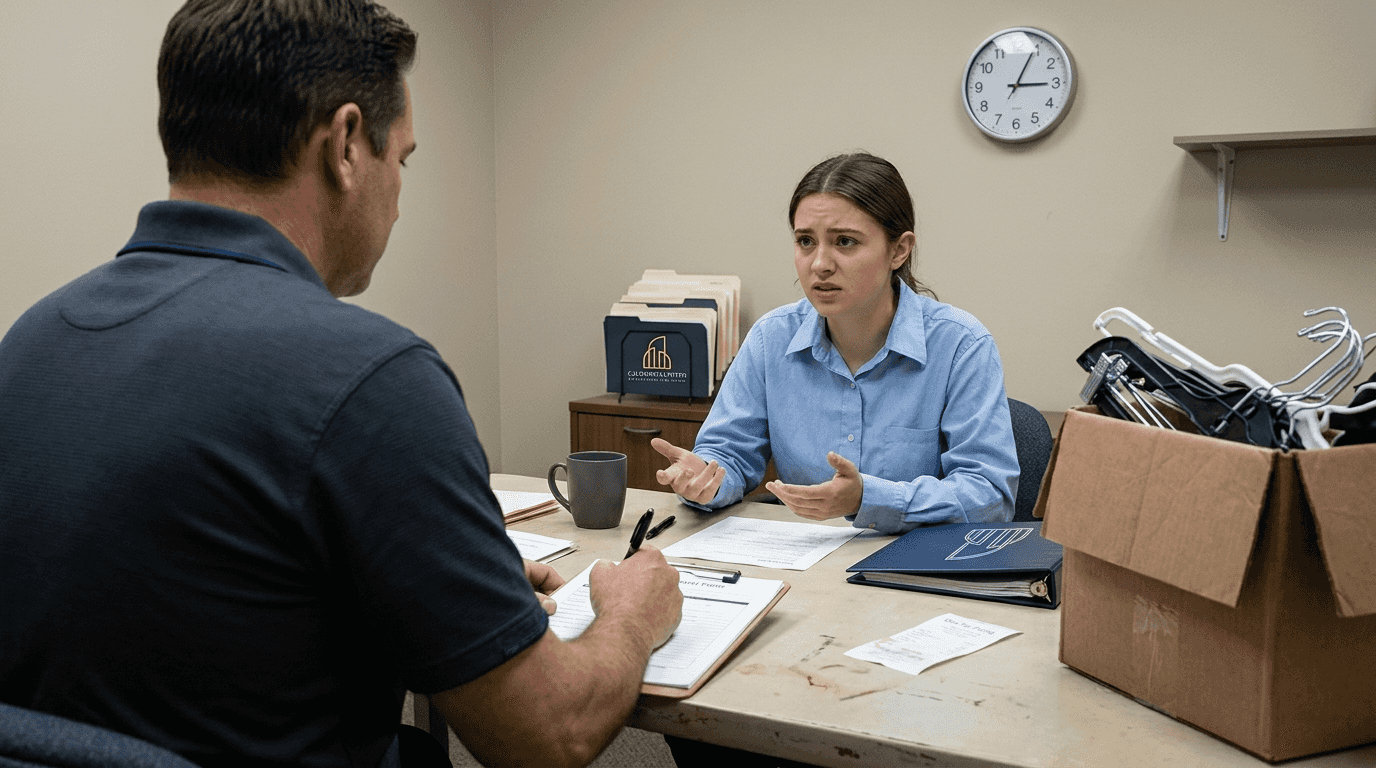
Retaliation against employees reporting harassment is illegal and creates separate legal claims beyond the original harassment. Retaliation includes obvious actions like termination or demotion, but also subtle forms such as schedule changes that make work difficult, exclusion from meetings or opportunities, increased scrutiny or discipline, or creating a hostile atmosphere that pressures you to quit. Understanding workplace retaliation in California helps you recognize when employers cross this line.
FEHA protects employees against preemptive retaliation by employers, meaning you are protected from adverse actions even before filing a formal complaint if your employer believes you may file one or serve as a witness.
Employees have multiple legal avenues to address harassment violations. You can file a complaint with the California Civil Rights Department (formerly DFEH), which investigates and may prosecute your case. Alternatively, you can request a right-to-sue notice and file a lawsuit directly. Legal remedies under FEHA include recovering economic damages such as lost wages and benefits, non-economic damages for emotional distress and suffering, punitive damages against employers who acted with malice or oppression, attorney fees and costs (which are mandatory if you prevail), and injunctive relief requiring policy changes.
Important Note: Report harassment through your employer’s official channels first, keeping copies of all written complaints. This creates a paper trail and often strengthens your legal position by showing you followed proper procedures before seeking outside help.
Knowing when to seek legal help can significantly impact your case outcome. Consider consulting an employment attorney if your employer ignores your complaint, retaliates against you for reporting, conducts an inadequate investigation, or if the harassment continues after reporting. Early legal advice helps you understand your rights, preserve evidence, and avoid procedural mistakes that could weaken your case. Many employment lawyers, including those focusing on Los Angeles workers fired for reporting misconduct, offer free consultations to evaluate your situation.
Navigating complex situations: off-site harassment and employer response risks
Harassment situations become legally complex when they occur outside traditional workplace settings or business hours. Off-site harassment may not be actionable under FEHA unless it has a strong work-related connection. California courts apply a “work-related nexus” test to determine whether employers bear responsibility for conduct occurring away from the physical workplace.
Several factors establish this crucial work-related nexus:
- The event occurred at an employer-sponsored venue or function
- The employer explicitly or implicitly sanctioned the gathering
- The employer benefited from the social event (such as team building)
- The harassment involved work-related discussions or relationships
- The event was tied to employment opportunities or advancement
California courts apply this ‘work-related nexus’ test to determine employer liability for off-site conduct. As one court explained, ‘as long as the harassment occurs in a work-related context, the employer is liable,’ even if the conduct occurs outside the physical workplace premises.
For Americana at Brand retail workers, this means harassment at company holiday parties, team dinners, or work-sponsored outings typically falls under FEHA protections. However, a coworker sending inappropriate messages from home on personal time, without any work connection, may not create employer liability. The distinction matters because it determines whether you can hold your employer accountable or must pursue other legal avenues.
| Scenario | Work-Related Nexus | Likely Employer Liability |
|---|---|---|
| Harassment at company holiday party | Strong (employer-sponsored event) | Yes |
| Coworker texts after hours about work | Moderate (employment relationship context) | Possibly |
| Purely personal relationship outside work | Weak (no workplace connection) | Unlikely |
| Team dinner at manager’s suggestion | Strong (implicit employer sanction) | Yes |
Employer responses to harassment complaints create their own legal risks that can compound original violations. An employer’s inadequate response can itself create a hostile work environment and additional liability. When supervisors mock your complaint, tell you to “toughen up,” dismiss your concerns without investigation, or pressure you to drop the matter, they create new harassment and potential retaliation claims.
This secondary harassment through poor response often proves easier to establish legally than the original complaint. You can demonstrate clear employer knowledge, deliberate indifference, and direct harm from the inadequate response. Courts recognize that victims suffer additional trauma when employers fail to take complaints seriously, creating a chilling effect that discourages other workers from reporting violations.
Understanding these nuances helps you frame complaints effectively and recognize when employer responses themselves violate the law. If your manager’s reaction to your harassment complaint creates additional hostility or fear, document this response carefully. This documentation can help prove workplace harassment in California by showing a pattern of employer indifference or hostility toward protected complaints.
Important Note: If harassment occurs at a work-related social event, note specific details connecting it to employment, such as who organized the event, whether attendance felt mandatory, and if work topics were discussed. These details strengthen the work-related nexus argument.
How California United Law Group can support your harassment concerns
Facing workplace harassment at the Americana at Brand requires experienced legal guidance to protect your rights and achieve meaningful resolution. California United Law Group specializes in employment law representing workers throughout California in harassment, discrimination, and retaliation cases. The firm understands the unique challenges retail workers face and the power dynamics that make reporting harassment difficult.
As an experienced employment lawyer in Pasadena, California United Law Group serves workers at the Americana at Brand and surrounding areas with comprehensive legal support. Their services include investigating harassment claims, documenting violations, negotiating with employers, filing administrative complaints, and pursuing litigation when necessary. The firm handles cases at all stages, from initial consultation through trial if needed.
Getting professional legal help early can significantly improve your case outcome and protect you from retaliation. California United Law Group provides guidance on documenting harassment, navigating employer complaint procedures, understanding your legal options, and making strategic decisions about how to proceed. Their focus on workplace retaliation in California means they can protect you if your employer responds to your complaint with adverse actions.
Prior results do not guarantee a similar outcome. The outcome of any legal matter depends on the specific facts and circumstances of each case.
Are retail workers at the Americana at Brand protected from workplace harassment? – FAQ
Does FEHA protect all retail workers at the Americana at Brand?
Yes, FEHA protects employees at any Americana at Brand retail location with five or more workers, which includes virtually all stores and restaurants. The law covers full-time, part-time, and most temporary workers regardless of immigration status or employment classification.
What specific behaviors count as illegal harassment under California law?
Harassment includes verbal conduct like slurs and offensive jokes, physical behaviors such as unwanted touching, visual harassment through inappropriate images, and any severe or pervasive conduct based on protected characteristics that creates a hostile work environment. Both quid pro quo harassment (conditioning employment benefits on accepting unwanted conduct) and hostile environment harassment violate FEHA.
What should I do if I experience harassment at my Americana at Brand workplace?
Document every incident with dates, times, witnesses, and specific details of what occurred. Report the harassment through your employer’s official complaint channels, keeping copies of all written communications. If your employer fails to investigate properly or retaliates against you, contact an employment lawyer immediately to discuss your legal options.
Can my employer fire me for reporting workplace harassment?
No, California law prohibits employers from retaliating against workers who report harassment or participate in investigations. Retaliation includes termination, demotion, schedule changes, increased scrutiny, or any adverse action taken because you complained about harassment. Retaliation creates a separate legal claim beyond the original harassment.
What legal remedies are available if I prove workplace harassment?
Successful harassment claims can result in compensation for lost wages and benefits, damages for emotional distress and suffering, punitive damages against employers who acted with malice, attorney fees and costs, and court orders requiring policy changes. Understanding what counts as workplace harassment under California law helps you evaluate whether your situation meets the legal standards for these remedies.
How long do I have to file a harassment claim in California?
You must file a complaint with the California Civil Rights Department (formerly DFEH) within three years of the last harassing act under FEHA. For ongoing harassment, each act may restart this limitations period. After filing with CRD or obtaining a right-to-sue notice, you typically have one year to file a lawsuit. However, acting quickly preserves evidence, protects your rights, and prevents ongoing harm. However, acting quickly preserves evidence, protects your rights, and prevents ongoing harm. Consult an employment attorney as soon as possible after experiencing harassment to understand your deadlines and options.
Should I rely on this article for legal advice about my specific situation?
No. This article provides general educational information about California harassment law. Every case involves unique facts and circumstances that can significantly affect legal rights and remedies. You should consult directly with a qualified employment attorney to receive advice tailored to your specific situation.